Want to know explore a destination that feels straight out of a history book? Then escaping to India would be one of the best experiences, home to rich history, architectural marvels, culture, and traditions.
For those who have visited India for the first time, for them visiting the Golden Triangle route would be one of the best rewarding experiences. Connecting the three main cities of North India, i.e. Delhi (the capital of India), Agra (the capital of Mughals), and Jaipur (capital of the royal state of Rajasthan). When you see on the map these three cities are connected to each other in the form of triangle, hence called the Golden Triangle.
The main feature of this tour is that each city is unique, showcasing the history of different dynasties, its stunning marvels, vibrant culture, cuisines and lifestyle of the people. For the first time travelers taking this tour would be an advantage, making your journey interesting and full of enriching experiences.
Choosing the Golden Triangle India Tour Packages would be one of the best decisions, as it offers the perfect balance between historical landmarks, royal heritage, vibrant culture, and different lifestyle. The journey around the Golden Triangle takes around 5-7 days, each day you will experience something different.
Delhi: Where Ancient History Meets Modern India
The Golden Triangle Tours India starts in the capital of India, i.e. Delhi, a city that was rule by different dynasties, exposing you to the history of rise and fall of different dynasties alongside with modern developments.
Delhi is divided into two parts, i.e. Old Delhi and New Delhi, when you will be given a tour of Delhi, you will find that they offer contrasting experiences.
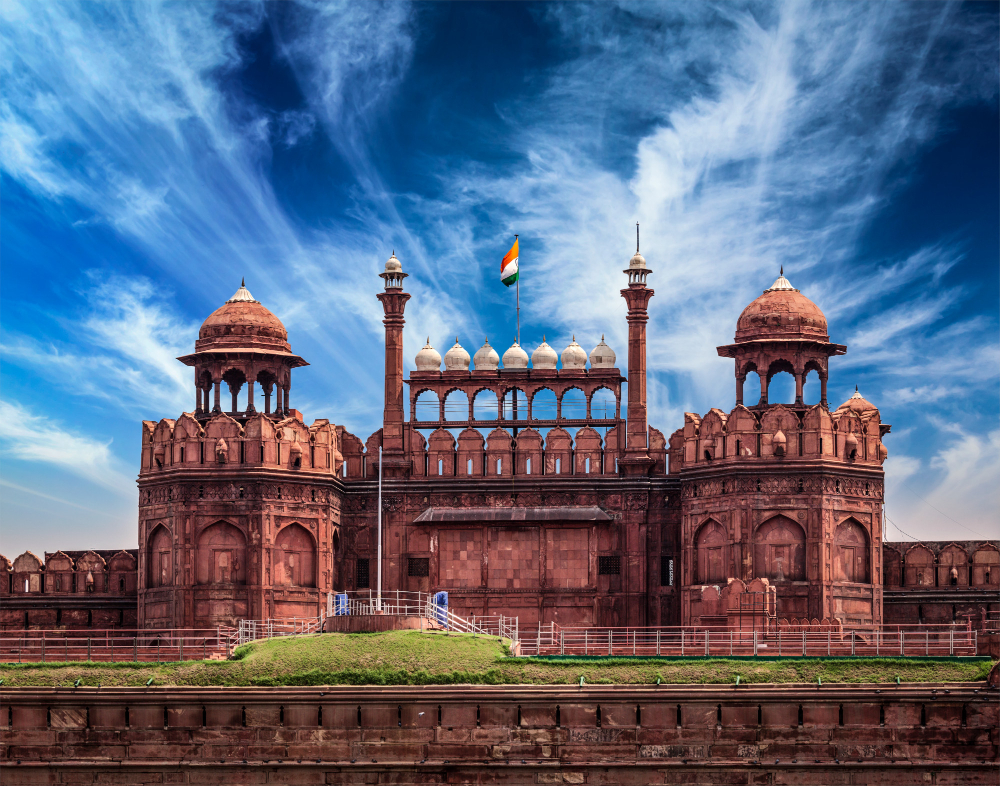
While exploring Old Delhi, the tour starts in Red Fort, recognized by UNESCO World Heritage Site. It was built by Mughal Emperor Shah Jahan, it served as the residence of the Mughals. Nearby is the Jama Masjid, which is one of the largest mosques in India, it was also built by Mughal Emperor Shah Jahan, more than five thousand devotees can pray at a time. For an immersive experience, you can opt for a tuk-tuk ride through the Chandni Chowk area, filled with traditional garment shops, spices, street food and local life.
What not to miss:
In Old Delhi don’t miss to try the authentic Mughlai cuisines in Karim’s. The dishes here are prepared using age old Mughal methods.
New Delhi was the center of many flourishing dynasties, here you can know about the history of the rise and fall about different dynasties that played an important role in the evolution of the region. Your day trip will start with a tour of Qutub Minar, which is one of the tallest brick minarets in the world and is recognized as a UNESCO designated site. Within the complex of Qutub Minar there is mosque, which is one of the first mosques to be built in India, half-constructed minaret and tombs and ruins.
Next on the list is Humayun’s Tomb which is known for its geometrical architectural design of the structure and Mughal-Persian style gardens. Since New Delhi was later rule by the British, you will find colonial era structures, wide boulevards and government buildings like Parliament House and Rashtrapati Bhawan and India Gate.
Spiritual lovers can visit Lotus temple (a complete white structure in lotus shape), Akshardham Temple (built not long ago, known for its intricate carvings of Gods and Goddesses).
What not to miss:
Those wishing for an immersive tour they can include in their Golden Triangle India Tour Packages other tourist attraction spots like Hauz Khas Village, Nehru Planetarium, Lodhi Garden, Mehrauli Archaeological Park, and Tughlaqabad Fort.
Agra: The City of the Taj Mahal
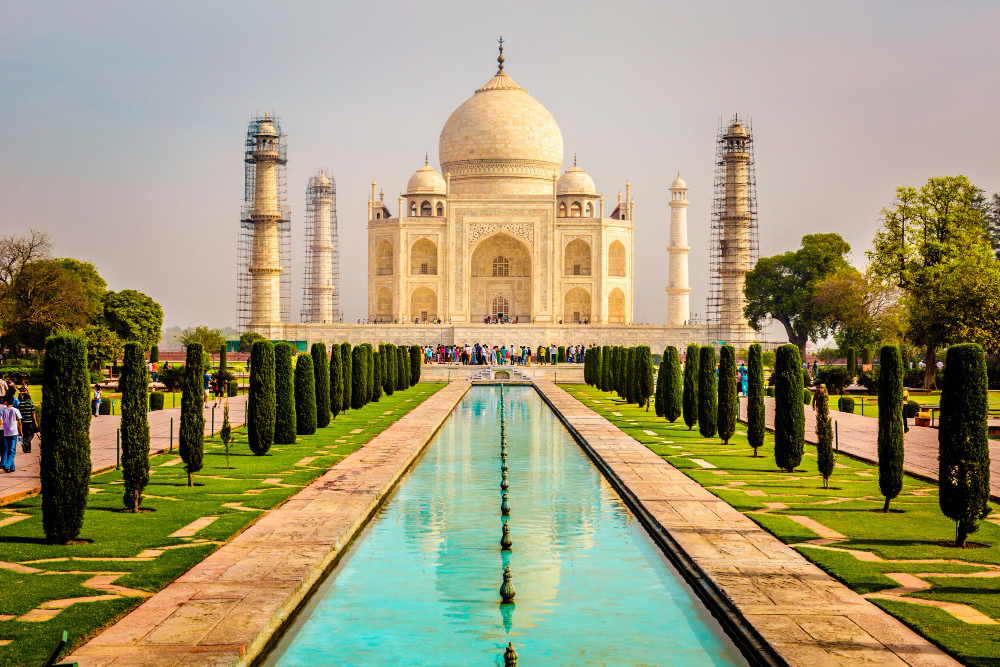
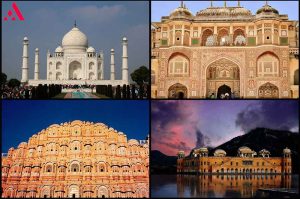
The Golden Triangle journey continues towards Agra, the capital city of the Mughals and the home of the Taj Mahal, one of the Seven Wonders of the World. This exquisite white marble monument was built by Mughal Emperor Shah Jahan who built it in the loving memory of his wife Mumtaz Mahal who died during child birth. The Taj Mahal is regarded as the eternal symbol of love, captivating the attention of the travelers around the world to witness this rare beauty.
After exploring the Taj Mahal, visitors who have opted for the Golden Triangle India Tour Packages, they will be taken for a tour to other attraction sites like the Agra Fort, Mehtaab Bagh, Akbar’s tomb in Sikander and Itmad-ud-Daulah’s tomb.
The Agra Fort is made of red sandstone and was built by Mughal Emperor Akbar, serving as the residence of the Mughals for many years and all the administrative decisions were taken from here. Within the Agra Fort there are many palaces, courtyards, and mosques. After Akbar, it housed later emperors like Jahangir, and Shah Jahan, who also renovated the palace to a great extent.
What not to miss:
Those wishing for an immersive tour they can include Fatehpur Sikri in their extended Golden Triangle Tours India . This city is located on a hill top, it was built by Mughal Emperor Akbar, and it served as the Mughal capital for a year or two, and the capital was shifted back to Agra due to scarcity of water in Fatehpur Sikri.
Jaipur: The Royal Pink City of Rajasthan
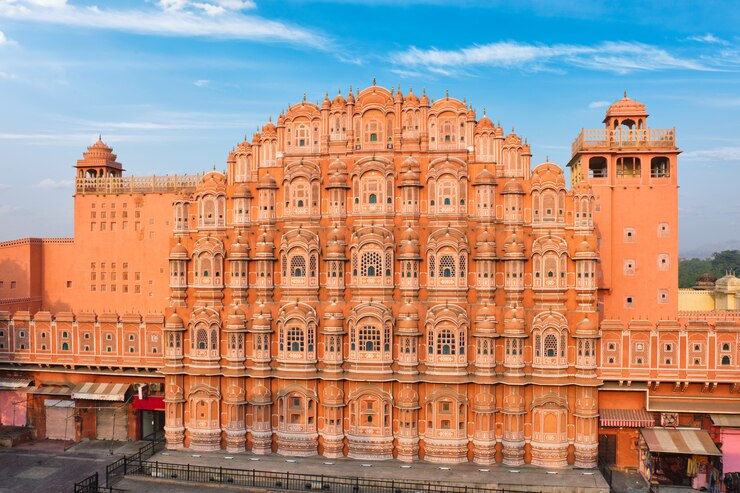
The final destination in the Golden Triangle Tours India is Jaipur, the capital of Rajasthan, known for its royal magnificence. Jaipur is also nicknamed as the pink cit because of its pink colored buildings, which represents warmth and hospitality.
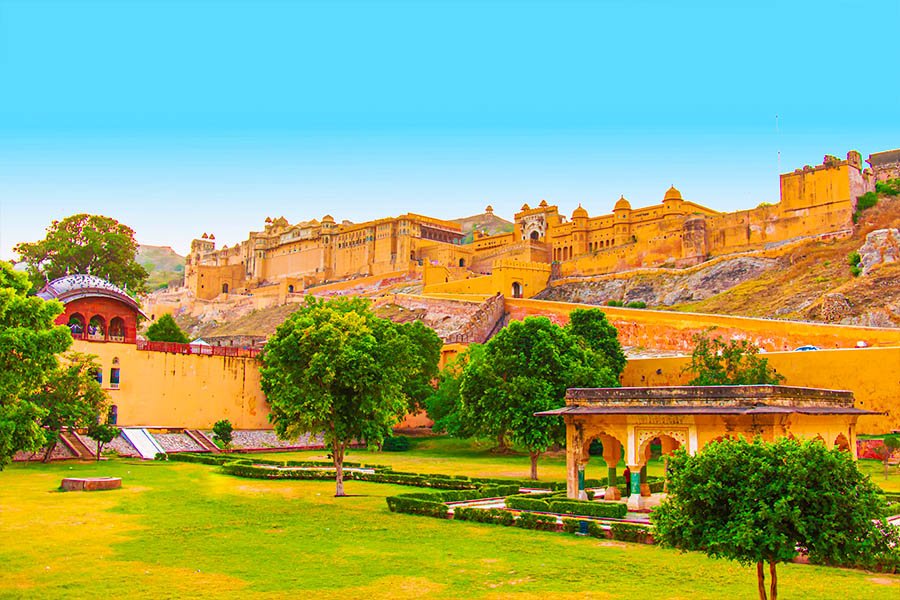
The moment you land in Jaipur, you will be stunned by its royal style and elegance. The city has many awe-inspiring royal forts and palaces to explore and know about its history and the folklores surrounding it. Most day tours in Jaipur starts with Amber Fort, this fort are situated on a hill top, offering incredible views of the surrounding landscape. One of the interesting facts about this fort is that, since the fort is on a hill top, instead of walking on foot, which will be tiring, you can opt for an elephant ride.
Continue your tour; the next attraction spot is City Palace which is located in the main center of Jaipur. It is the residence of the royal family of Jaipur and a part is converted into a museum which displays royal costumes, weapons, and art.
Nearby to the City Palace is Hawa Mahal, also called Palace of Winds because it has many windows that constantly offers cool breeze. The honeycomb windows were built for the royal ladies to sit behind the windows and watch the events on the streets.
Another fascinating highlight of Jaipur is the Jantar Mantar, a UNESCO-listed site. This is an astronomical observatory with complex tools and one of the largest outdoor sundials in the world.
What not to miss:
Those wishing for an experiential tour of the city they can opt for shopping in the local markets like Johari Bazaar and Bapu Bazaar. Here you can find many handcrafted items like handicrafts, jewelry, textiles, and souvenirs. To try the traditional Rajasthani cuisines like dal baati churma and gatte ki sabzi, etc, visit Chowki Dhani.